How to Research a Place Before You Travel
Good travel research does more than assemble attractions. It helps a traveler understand scale, season, movement, local expectations, and the history beneath familiar names. It also separates practical facts that must be current from cultural questions that deserve several perspectives.
A useful plan is layered. Start with official requirements and geography, then add history, environment, local reporting, and personal interests. Leave enough space for the place to revise your expectations once you arrive.
Establish the practical baseline
Begin with current public guidance for entry requirements, local laws, destination conditions, and necessary documents. These facts can change, so an old article or undated summary is not enough. The official international travel planning overview outlines the categories that need attention before an international trip.
Record the date you checked each time-sensitive item. Recheck close to departure. Keep practical notes separate from inspiration so an attractive photograph does not sit where a current rule should be.
Learn the shape of the place
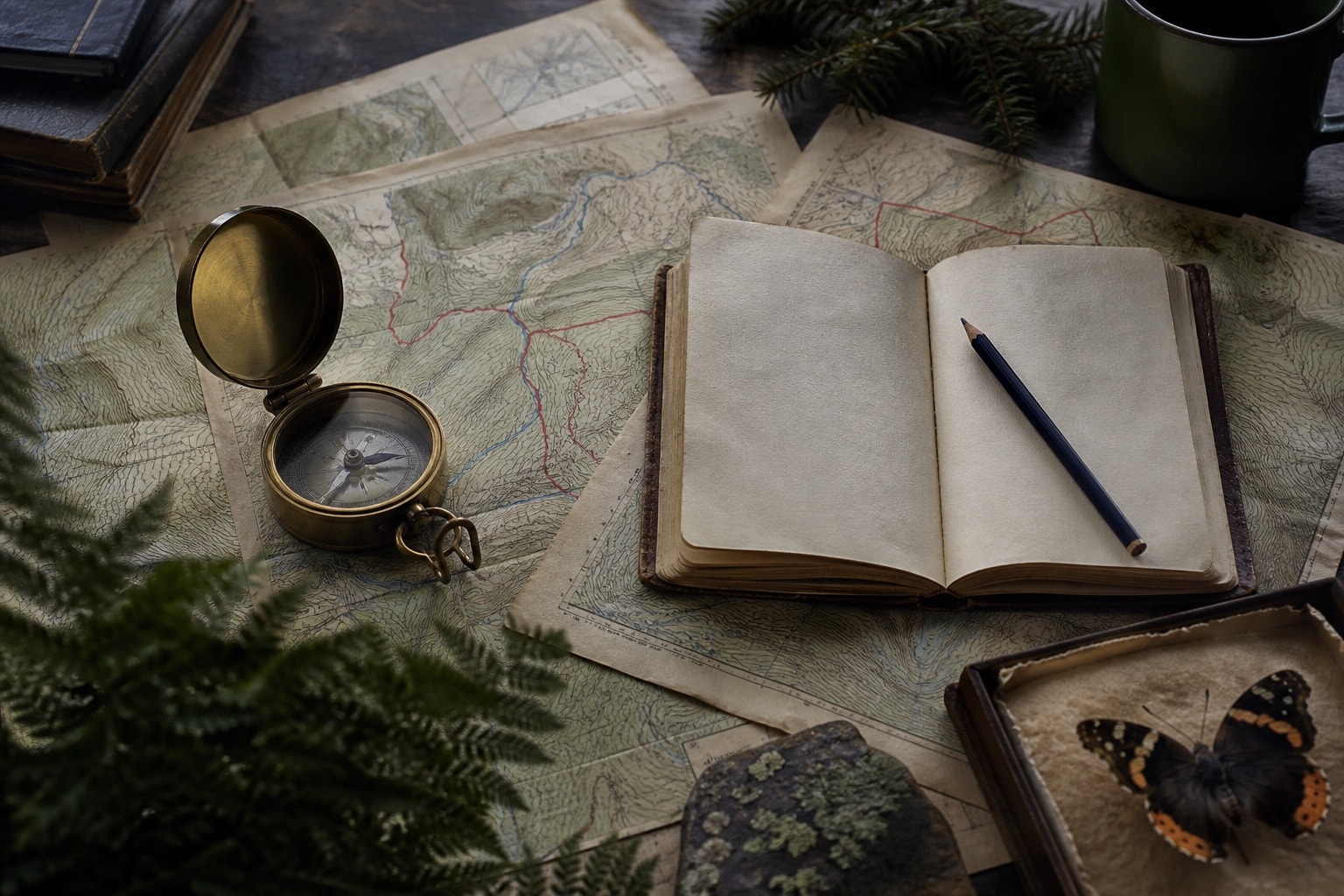
Maps correct assumptions that prose can hide. Compare regional, city, transit, and topographic maps. Measure the distance between places that an itinerary groups together. Notice rivers, elevation, coastlines, and borders. A destination described as nearby may require a long route because of terrain or transport patterns.
Look at several scales. A national map establishes regions; a street map shows how a neighborhood connects; a transit map reveals practical movement. Historical maps can explain why roads, districts, and names developed as they did.
Build a short historical timeline
You do not need a complete history before traveling, but a basic sequence prevents important sites from becoming isolated scenery. Identify major periods, migrations, industries, political changes, and environmental events relevant to the places on your route. Note that public memory may differ among communities.
Use museums, guides, universities, and public heritage sources to begin. An international inventory of cultural and natural heritage can point toward documented sites and their stated significance. It is a starting map, not a complete account of what local communities value.
Read beyond visitor-facing material
Visitor guides are built for selection and convenience. Balance them with local newspapers, public planning documents, environmental reports, cultural institutions, and essays by writers connected to the place. These sources reveal daily concerns and debates that a short itinerary may miss.
Pay attention to audience. A transport agency explains routes; a conservation body explains habitat; a neighborhood history explains change; a restaurant guide explains one slice of daily life. No source needs to perform every job.
Research season, not just climate
Average temperature is only one part of timing. Rainfall, daylight, water conditions, agricultural cycles, holidays, school calendars, wildlife patterns, and maintenance closures can alter an experience. Find sources specific to the month and activity.
Distinguish climate averages from a forecast. An average describes a pattern across years; it cannot tell you the weather on a particular afternoon. Build flexibility into outdoor plans and avoid presenting seasonal patterns as guarantees.
Ask respectful cultural questions
Learn basic expectations around dress, photography, sacred spaces, public behavior, and environmental care. Avoid reducing culture to a list of curiosities. Look for explanations of why a practice matters and recognize variation within any community.
Language preparation can be modest but meaningful. Learn greetings, courtesy phrases, numbers, and transport terms where appropriate. The aim is not performance; it is reducing friction and showing attention.
Turn interests into questions
Choose two or three themes that will guide what you notice. Architecture, food systems, music, public space, geology, or publishing history can create a route more coherent than a list of famous stops. Write a question for each theme. “How does the waterfront shape this city?” will lead to different observations from “Which waterfront sights are popular?”
How to Build a Personal Reading List offers a way to sequence background sources. How to Read Travel Writing Critically helps identify the assumptions those sources may carry.
Create a flexible research brief
Condense the work into one page: practical checks, a small map set, a timeline, key terms, two or three questions, and a few sources to revisit. Do not schedule every answer. A place will supply details no advance research could predict.
The purpose of preparation is not to arrive knowing everything. It is to arrive oriented enough to notice more, ask better questions, and revise the story you expected to find.