
What you notice about a pet at home
A comb, an untouched bowl and the sound of a sleeping dog can each start a useful conversation.
2 min read
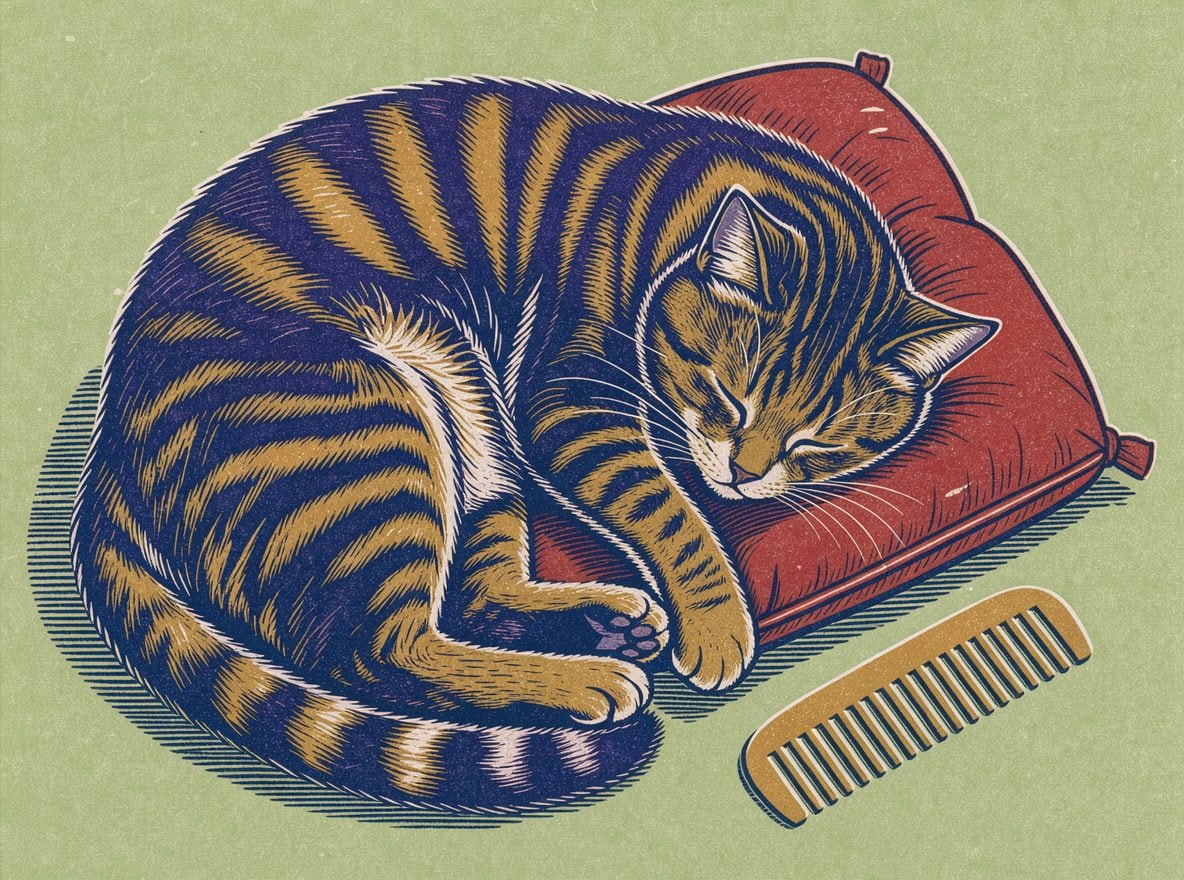
A dog makes a new sound while asleep. A cat comes to the bowl, sniffs and walks away. The person who sees the animal every day is in a good position to notice a change, even when the cause is unclear. Early Articlesland pieces raised both questions and also described the value of regular grooming.
A comb and a quiet minute
Brushing helps remove loose fur and gives you a chance to see the skin beneath the coat. Cornell’s Feline Health Center says grooming can help you “monitor his or her skin for parasites and signs of disease.” Notice a mat that was not there before, an area the cat resists having touched or a change in the way it grooms itself. Tell a veterinarian what you noticed if you are concerned. Cornell on caring for a cat
When a familiar meal goes untouched
What was offered? When did the cat last eat normally? Is the change new, and has anything else changed at home? These details can help a veterinarian assess loss of appetite. A pet’s usual bowl offers a comparison that a general article cannot. Contact the veterinary practice promptly if your cat stops eating.
Be careful with sweeping claims about a food being right for every cat. Age, health and what an animal can actually eat all matter. Discuss an individual animal’s needs with its veterinarian.
Listening to a sleeping dog
A sound heard only during sleep is a different observation from a dog working to breathe while awake. Note when the sound started, in what position you heard it and whether the dog’s behavior has changed. A short recording of the sound, made without disturbing the animal, may make it easier to describe at a veterinary visit.
If a dog is struggling to breathe, it needs immediate veterinary attention. Cornell’s description of respiratory distress includes increased breathing effort, extended head and neck, weakness and collapse. In that situation, getting emergency veterinary care takes priority over making notes. Cornell on recognizing respiratory distress